
Subscription VOiD
- Laura Malin
- Jan 24, 2024
- 2 min read
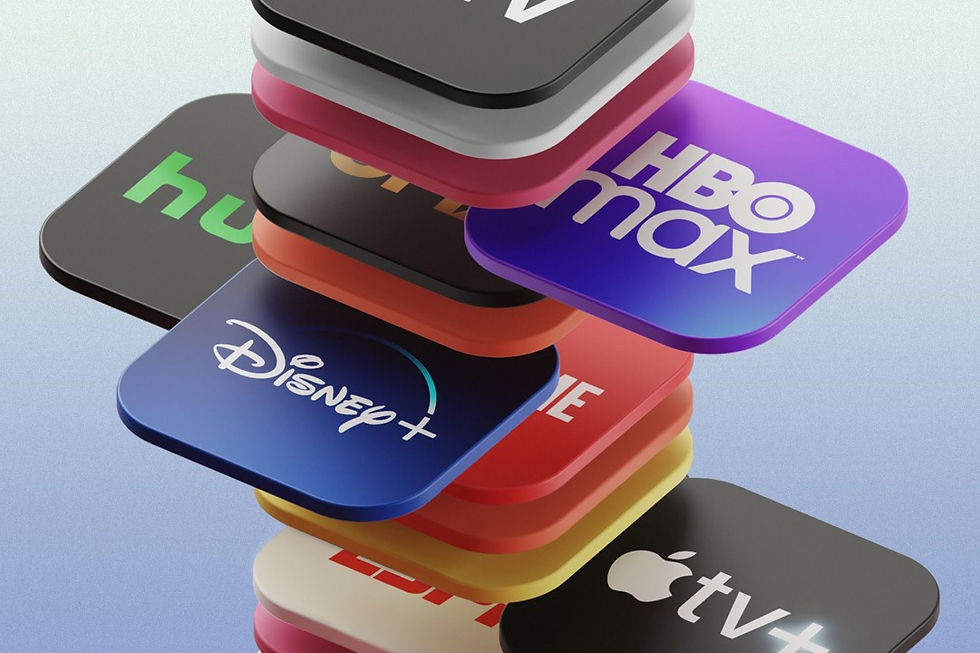
Yes, it is starting to feel like cable TV. Streamers are silently adding ads to their programming and pumping up the prices. Subscription-based platforms are forcing their customers to either pay more or watch the commercials. It sounds like a basic breach of the original concept, but why is this happening if revenue keeps ramping up? Check this THR article about Netflix's fourth-quarter and full-year results.
Next Flix
Netflix's annual report is out, and the numbers top all predictions with 13 million new subscribers for Q4 of 2023, much more than what Wall Street was expecting. According to Deadline, Netflix's letter to shareholders explains that the number increase "reflects the benefits of paid sharing, our recent price changes, and the strength of our underlying business driven by a strong slate."
The same letter states that the company just announced the end of the no-ads basic plan, as they are introducing their ad tier. Netflix executives explain they will be "taking it from there" about combining the Subscription Video on Demand (SVOD) model with the Advertisement Video on Demand (AVOD). More on Variety.
Not So Prime
Amazon also brought commercials into its Prime Video segment, increasing by $2.99 per customer who does not want to watch them. The ad-supported tier is supposed to help the giant company keep producing original series and screen NFL events, according to THR.
Max the Ads
Last Black Friday, Max (former HBO) offered a promotion on its basic (ad-filled) tier price to differentiate it from the $19.99 ad-free service that was originally provided. By the way, can someone imagine watching Game of Thrones with ads? More on NBC News.
Apple of the eye
Still holding its side of the bargain, Apple Plus prides itself on being "always ad-free", but the price increase of 43% was not subtle, as reported by Indiewire. Same trend, different strategy - but no commercials! Meanwhile, Peacock, Paramount +, Disney Plus, and Hulu are following the multiple-tier, ad-filled trend and looking more and more like cable TV.
Million-dollar question
While we all pay more for the same content (and watch players adding advertisement revenue to the subscription income) the big question is: what will all this money finance? Will quality reign over quantity? Will productions become more elaborated? Or maybe compensation for creators, cast, and crew will rise? So far, in an aggressively inflation-oriented market, it looks like the big players are benefiting at the cost of the rest of the chain. Maybe it is time to buy some stocks.
Cheers,
Laura
PS: Keep posted to read about how ads' comeback will drastically interfere with the content narrative (in our next newsletter).


