Take It Slow
There is something to be said about slowing down. It seems like after the end of the lockdown, content has been speeding up in many ways: narratives, editing and even the quantity of shows that were dumped in the catalogues - everything possible to keep up with the insane amount of home entertainment that was consumed during those months in which reality looked like fiction.
Production Void
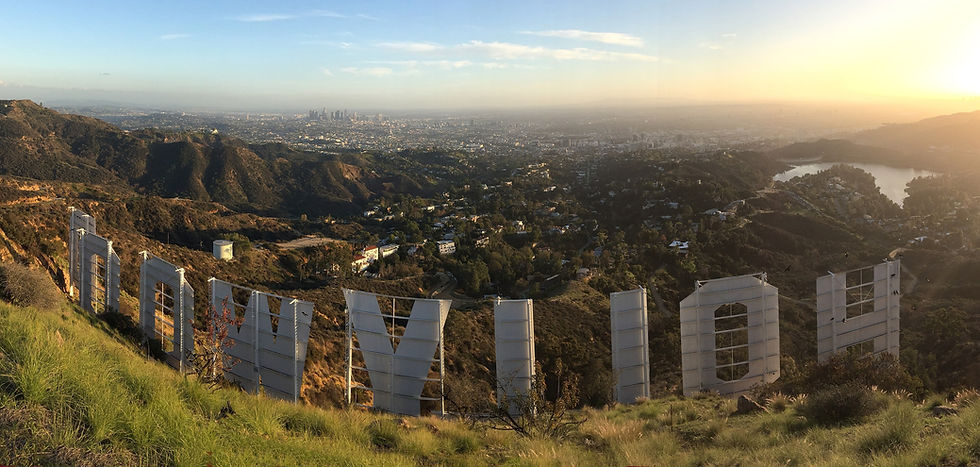
After a couple of years, things have started to slow down as humans came to the conclusion that going out is still very much wanted and needed. Theatrical survived (on CPR), but then the double Hollywood strike paralyzed things. With both development and production stopping for six months last year, we now tap into the 'production void'.
Rinse and Repeat
The strategy studios and streamers found to fill the void is simple: delivering old films and spacing out new launchings. When you dig into the new-release section of a platform, you will be greeted with a majority of past entertainment (check Netflix's release schedule on Forbes). It seems to be working: the resurgence of films like "Noah" (2014), "The Back-Up Plan" (2010), "The Proposal" (2009), "The Vow"(2012); and TV series "Suits," "Friends," "The Big Bang Theory" and "Gilmore Girls" is a real phenomenon, proving that you can rinse and repeat.
Milking It
But there is more to it than the production void itself. There seems to be a time bent that has slowed down the audience pace as well. Stories that were once condensed are now milked into longer forms of content. Like "One Day", a 107-minute film turned into 14 episodes (six and a half hours). Or "Ripley", once a two-hour movie that is now ten episodes long (seven-and-a-half hours). The Guardian calls it 'devastatingly unhurried'.
Slow TV
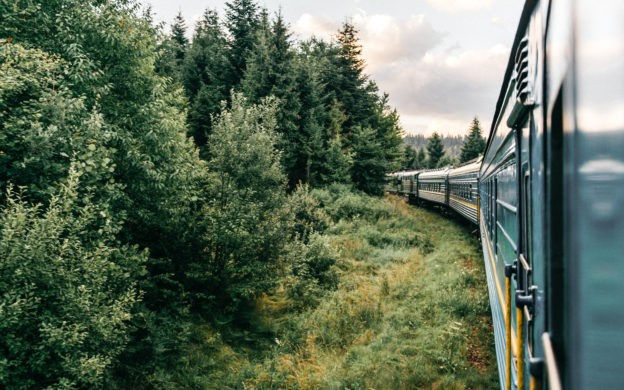
Nevertheless, things can always be slower. The concept of Slow TV is basically unhurried on steroids. Popularized in Norway in 2009 with a live seven-hour train ride with four cameras showing the landscape, the program was followed by an average of 176,000 viewers, and 20% of the country's population watched the event at least once during its screening time. It became a thing, being copied in: Australia, Belgium, China, Hong Kong, UK, Spain, France, Island, New Zealand, Sweden and Portugal. CBS News has a sneak peek on one of the Swedish shows – apparently their population spent 12 million hours watching Slow TV in 2022.
Pace Yourself
The organic pace may make many doze-off, but it also connects part of the audience with their own slower and more realistic existence - going in the complete opposite direction of Tiktok or Youtube. Whether the audience likes it too fast or too slow, what matters is that they find it entertaining.
Whatever you do with your time, enjoy it!
Laura